What Is Pre-Employment Drug Testing?
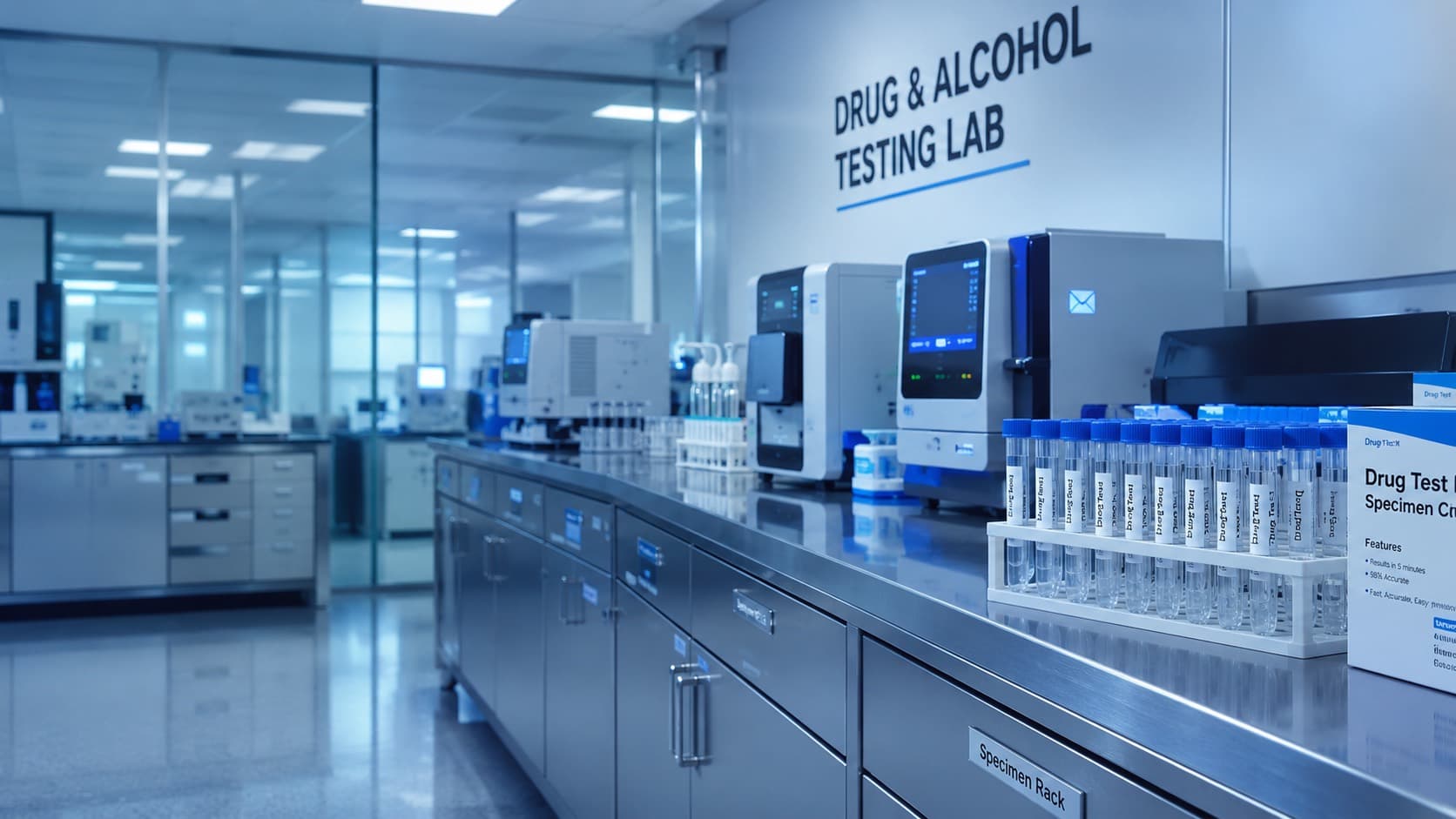
Pre-employment drug testing is a screening process that checks job candidates for illegal drugs or controlled substances before hiring. Employers collect urine, hair, saliva, or blood samples and send them to certified laboratories for analysis. The tests typically screen for marijuana, cocaine, amphetamines, opiates, and PCP—substances that can impair judgment, reduce productivity, and create workplace safety risks.
This testing happens after a conditional job offer but before the first day of work. Results help employers make informed hiring decisions while maintaining safe, productive work environments.

Why Do Employers Require Drug Testing Before Hiring?
Employers implement pre-employment drug testing to protect workplace safety, reduce liability, and maintain productivity. Industries involving heavy machinery, transportation, healthcare, or public safety face particularly high risks when impaired employees make critical decisions or operate dangerous equipment.
Beyond safety concerns, drug-free workplace programs lower insurance premiums, reduce absenteeism, and improve overall employee performance. Many companies also face federal or state regulations mandating drug testing for specific positions. At Patriot Safety & Services, we help businesses establish compliant testing programs that balance legal requirements with practical hiring needs.
What Drugs Do Pre-Employment Tests Detect?
Standard pre-employment drug tests screen for five common substances, often called the “SAMHSA-5” panel. These include marijuana (THC), cocaine, amphetamines (including methamphetamine), opiates (codeine, morphine, heroin), and phencyclidine (PCP). This five-panel test meets federal workplace drug testing guidelines.
However, many employers expand testing to include additional drugs. Extended panels can detect benzodiazepines, barbiturates, methadone, and synthetic opioids like oxycodone and hydrocodone. We customize drug testing panels based on your industry risks, regulatory requirements, and specific concerns about substance abuse patterns.
How Long Do Drugs Stay Detectable in the Body?
Detection windows vary significantly depending on the substance, testing method, and individual metabolism. Marijuana can appear in urine tests for 3-30 days depending on usage frequency. Cocaine typically remains detectable for 2-4 days, while amphetamines usually appear for 2-5 days.
Hair follicle testing extends detection windows dramatically, identifying drug use up to 90 days prior. Conversely, saliva tests offer shorter detection windows of 24-48 hours for most substances. Choosing the right testing method depends on whether you’re screening for recent use or longer-term patterns of substance abuse.
What’s the Difference Between Urine, Hair, Saliva, and Blood Drug Tests?
Urine testing remains the most common pre-employment drug testing method due to its balance of accuracy, cost-effectiveness, and established legal precedent. Urine tests detect recent drug use within the past few days to weeks.
Hair follicle testing identifies drug use over approximately 90 days, making it ideal for detecting patterns of substance abuse. Saliva testing offers non-invasive collection with shorter detection windows of 24-48 hours. Blood tests provide the most accurate snapshot of current impairment but cost significantly more. Patriot Safety & Services helps employers select the appropriate testing methodology based on position requirements and budget constraints.
Are Pre-Employment Drug Tests Legally Required?
Federal law doesn’t mandate pre-employment drug testing for most private-sector positions. However, significant exceptions exist. The Department of Transportation requires drug testing for safety-sensitive positions involving commercial driving, aviation, railroads, and maritime operations. Federal contractors with contracts exceeding $100,000 must maintain drug-free workplace programs.
Some states mandate drug testing for specific industries or offer workers’ compensation insurance discounts to employers with certified testing programs. While testing isn’t universally required, it provides substantial legal protection when conducted properly.
Can Employers Test for Marijuana in States Where It’s Legal?
Yes, employers can still test for marijuana and refuse to hire candidates who test positive, even in states where recreational or medical marijuana is legal. Federal law continues to classify marijuana as a Schedule I controlled substance, which means employers maintain the right to enforce drug-free workplace policies.
However, several states have enacted laws limiting employer rights regarding marijuana testing. Nevada, New York, New Jersey, and Connecticut have implemented various protections for cannabis users. Given this rapidly evolving legal landscape, employers must carefully navigate state-specific restrictions while maintaining workplace safety standards.
What Happens If a Candidate Fails a Pre-Employment Drug Test?
When a candidate fails a pre-employment drug test, the laboratory reports the positive result to the Medical Review Officer (MRO)—a licensed physician who reviews test results and contacts the candidate to determine if legitimate medical explanations exist.
If the MRO confirms the positive result without valid medical justification, the employer receives notification that the candidate failed the test. Most employers then withdraw the conditional job offer. Some companies offer candidates the opportunity to reapply after a specified period, while others permanently disqualify failed candidates.
How Accurate Are Pre-Employment Drug Tests?
Modern drug testing conducted at certified laboratories demonstrates extremely high accuracy rates. Initial screening tests are highly sensitive but occasionally produce false positives. This is why all positive screening results undergo confirmatory testing using gas chromatography-mass spectrometry.
These confirmation methods are considered the gold standard in forensic toxicology, with accuracy rates exceeding 99% when performed correctly. The Substance Abuse and Mental Health Services Administration at samhsa.gov maintains strict certification standards for laboratories conducting workplace drug testing.
Can Prescription Medications Cause Failed Drug Tests?
Certain prescription medications can trigger positive results on pre-employment drug tests. Opioid pain relievers, ADHD stimulant medications, and benzodiazepines will show positive on drug tests.
This is why Medical Review Officers review all positive results before reporting them to employers. When candidates have legitimate prescriptions for medications that caused positive tests, the MRO verifies the prescription and typically reports the test as negative to the employer.
What Is a Medical Review Officer’s Role in Drug Testing?
A Medical Review Officer is a licensed physician with specialized training in substance abuse disorders and drug testing procedures. The MRO serves as an independent reviewer of drug test results. When laboratories report positive results, the MRO contacts candidates before notifying employers to investigate potential legitimate medical explanations.
Only after completing this review does the MRO report final results to the employer. This process protects candidates from employment decisions based on legitimate medication use while ensuring employers receive accurate information about substance abuse.
What’s the Difference Between DOT and Non-DOT Drug Testing?
Department of Transportation drug testing follows strict federal regulations that govern collection procedures, laboratory analysis, and reporting requirements. DOT testing applies only to safety-sensitive positions in transportation industries and is mandatory for these positions.
DOT regulations specify the five-panel drug test and require split sample collection. Non-DOT testing allows more flexibility—employers can choose which drugs to test for and implement various collection procedures. Our team at Patriot Safety & Services manages both DOT-compliant and non-DOT drug testing programs.
Should Employers Combine Drug Testing with Background Checks?
Combining pre-employment drug testing with background screening creates comprehensive candidate evaluation that addresses multiple risk factors simultaneously. While drug testing identifies current substance abuse, background checks reveal criminal history, employment verification, and education credentials.
Many employers find administrative efficiency in coordinating both processes through a single provider. This streamlined approach reduces paperwork, shortens time-to-hire, and ensures consistent compliance across all pre-employment screening activities.
How Can We Implement a Pre-Employment Drug Testing Program?
Implementing a comprehensive drug testing program starts with establishing clear written policies that define which positions require testing, what substances will be screened, and consequences for positive results. Your policy should address federal regulations, state laws, and practical considerations for your business.
Patriot Safety & Services partners with employers to develop customized drug testing programs that balance legal compliance, workplace safety, and operational efficiency. We provide SAMHSA-certified laboratory services, Medical Review Officer consultation, and convenient collection sites. Reach out today to discuss how pre-employment drug testing can strengthen your hiring program and reduce workplace risks.


