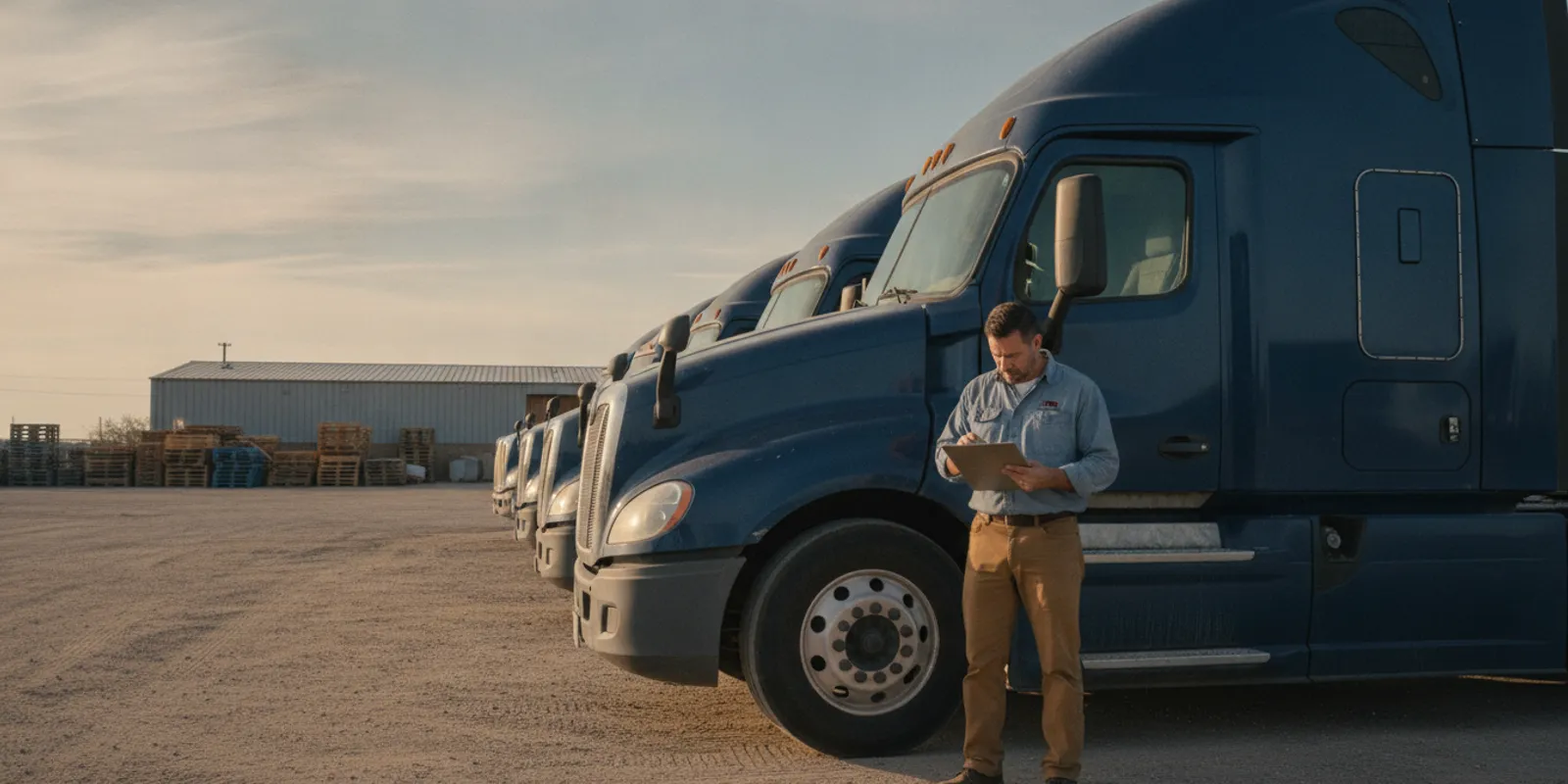
Knowing how to obtain a DOT number is an important first step for many businesses that operate commercial vehicles. The right process depends on what you transport, where you operate, vehicle size, and whether you carry passengers or regulated materials. Start by confirming which rules apply, then prepare accurate company and vehicle information before submitting a registration.
Discuss your DOT compliance needs
What is a DOT number?
A U.S. Department of Transportation (USDOT) number is an identifier used by the Federal Motor Carrier Safety Administration (FMCSA) to track a motor carrier’s safety information, inspections, audits, and investigations. Businesses that meet federal requirements generally register for a number and display it on qualifying commercial motor vehicles. Some states also require a USDOT number for certain intrastate operations.
A USDOT number is not the same thing as operating authority. A carrier may need both, depending on its business and the type of transportation it provides. A number also does not, by itself, make a vehicle or operation compliant. Employers still need to meet applicable safety, insurance, driver qualification, vehicle maintenance, and testing obligations.
The FMCSA’s official website is the place to check current federal registration guidance and determine which agency instructions apply. Registration rules and online procedures can change, so verify the current requirements before filing.
Does your business need a USDOT number?
Do not decide based on the company’s industry name or the size of its fleet alone. Consider the vehicle, trip, cargo, and business activity together. Federal rules generally require a USDOT number for businesses operating commercial vehicles in interstate commerce when the vehicle meets the applicable weight threshold, transports certain quantities of hazardous materials, or carries passengers under specified conditions. Intrastate rules may add requirements.
As a practical screening step, ask:
- Do vehicles cross state lines? A trip can be interstate commerce even when the vehicle stays within one state, if the transportation is part of a movement that began or will end in another state. Consider the full shipment or passenger journey, not just the route for one leg.
- What is the vehicle’s weight rating or actual weight? Check the applicable gross vehicle weight rating, gross combination weight rating, or actual weight, as relevant. Use the manufacturer’s rating information and vehicle records rather than estimating from appearance.
- Do you transport passengers? Passenger operations have separate thresholds and conditions. Whether passengers are transported for compensation can matter.
- Do you transport hazardous materials? Certain hazardous-materials operations can trigger registration requirements, including when placarding is required.
- Does your state require intrastate registration? States can have their own motor-carrier registration rules. Check the agency responsible for commercial vehicle regulation where the vehicle is based and operated.
These questions are a screening tool, not a substitute for applying the current regulations to a specific operation. When facts are unclear—such as a multi-state shipment, a leased vehicle, or a contractor arrangement—confirm the requirements with FMCSA or the relevant state agency before dispatch.
For example, a local service company may assume that staying within its home state settles the question. But if it transports equipment as one leg of a shipment that crosses state lines, the broader movement may affect the analysis. A different business might cross a state border only occasionally but still need to consider federal requirements. Likewise, a company that owns a truck does not necessarily have the same obligations as a carrier hauling another party’s freight. Write down the facts behind the operation rather than relying on a short label such as “local,” “small fleet,” or “company vehicle.”
How is a USDOT number different from operating authority?
A USDOT number identifies a carrier for safety oversight. Operating authority, sometimes referred to as for-hire authority, is a separate permission that may be required for certain businesses transporting regulated property or passengers for compensation in interstate commerce. The requirement depends on the type of service and other details.
For example, a business moving its own equipment or goods may face different authority requirements from a company hauling other parties’ property for payment. Passenger carriers also have their own rules. Do not assume that receiving a USDOT number authorizes every kind of transportation business. Determine whether you need authority, financial responsibility filings, or other registrations in addition to the number.
The distinction matters when planning a launch. If you need operating authority, the related application, insurance and process may take additional time. Build those steps into the schedule rather than treating a USDOT number as the final approval to begin service.
What information should you prepare before applying?
Gathering information first reduces errors and helps the responsible person complete the application consistently. Assign one person to coordinate the filing and verify details with operations, finance, and safety staff.
- Legal business identity: Record the company’s legal name, any trade name used, business address, mailing address, and contact details. Keep names consistent with official business and tax records.
- Business identifiers: Have the applicable federal tax identification information and organizational details available. The registration process will indicate which identifiers are required for your applicant type.
- Operation type: Be ready to describe whether the business carries property or passengers, transports its own goods or another party’s, and operates interstate, intrastate, or both.
- Vehicle profile: Assemble fleet counts and vehicle details, including vehicle types, weight ratings, and how each vehicle will be used. Include owned, leased, and other vehicles that belong in the requested information.
- Driver profile: Confirm how many drivers the business employs or uses, including drivers who operate commercial vehicles across state lines or within a state.
- Cargo and materials: Identify the general commodities or materials transported and whether any hazardous-materials requirements apply.
- Responsible contacts: Identify the company representative who can answer questions and receive registration notices. Make sure the email and mailing address will remain monitored.
Before submitting, reconcile these details with fleet records, insurance information, contracts, and the actual operating plan. A mismatch between the application and the way vehicles are used can create confusion later. If your company is still deciding whether to use employees, leased vehicles, or independent contractors, clarify who operates the vehicles and which business is responsible for each part of the transportation activity.
A short preparation worksheet can make that review concrete. List every vehicle category, its weight rating, whether it is owned or leased, the states where it will operate, and the type of cargo or passengers it will carry. Then compare the list with dispatch plans and customer contracts. If a vehicle serves multiple purposes—for instance, carrying company tools on some days and customer goods on others—note both uses so the person completing the application can assess the operation accurately. Identify unanswered questions separately; do not fill gaps by guessing.
How do you obtain a DOT number?
The application is an official registration, so take the time to classify the operation correctly and review the answers before submitting. The broad sequence below is useful for planning; follow the current FMCSA registration instructions for the precise submission method and requirements.
- Confirm the applicable rules. Document the reasons the operation may need a federal or state identifier. Review interstate activity, vehicle ratings, passenger service, hazardous materials, and the states where vehicles operate. Check separately whether you need operating authority.
- Choose the correct applicant and operation details. Use the business’s true legal identity and describe the services it will actually provide. Avoid selecting an operation type simply because it appears closest; verify uncertain categories in the current guidance.
- Use the official registration process. Start from FMCSA’s official website and follow its current instructions for registration. Avoid unofficial sites that imitate government forms or charge for services you expected to complete directly. If a third party assists, understand what it is filing and retain control of your company’s account and records.
- Enter and check the information. Review names, addresses, contact details, operation classification, vehicle counts, and other requested information. Make sure the responsible contact can access confirmation messages and future notices.
- Submit and retain confirmation. Save the application receipt, confirmation, submitted answers, and any assigned number or follow-up instructions in a secure compliance file. Do not rely on a screenshot alone if the system provides a formal confirmation.
- Complete related registrations and requirements. Determine whether operating authority, state registration, insurance filings, process-agent filings, or other obligations apply. A registration number should not be treated as permission to operate when a separate approval is still needed.
- Set up ongoing compliance controls. Assign an owner for registration updates, safety notices, driver and vehicle records, and applicable testing or qualification programs. Add recurring review dates to the company’s compliance calendar.
Before clicking submit, have a second person compare the application with the worksheet and source records. Check spelling and business identifiers carefully, then read the operational answers as a complete picture: do they describe what the company plans to do, not merely what it did last year? Keep a dated copy of the final responses and note any guidance consulted. This simple review gives the business a reference point if a question comes up later or operating plans change.
FMCSA’s site and the relevant state agency are the appropriate places to confirm current instructions. For a complex fleet or multi-state business, a compliance professional can help interpret which requirements apply, but the employer remains responsible for accurate information and operating decisions.
What should you compare before you file?
Use this comparison to identify the next question to resolve. It does not replace a formal applicability determination.
| Situation | What to check | Likely next step |
|---|---|---|
| Commercial vehicles cross state lines | Vehicle weight, freight or passenger activity, and whether the trip is part of interstate commerce | Review federal USDOT registration requirements and check separately for operating authority |
| Vehicles operate only within one state | State-specific intrastate carrier and vehicle rules | Contact the appropriate state regulator; do not assume federal registration is the only requirement |
| Business carries passengers | Passenger count, compensation, route, and type of service | Check passenger-carrier rules and any authority or insurance obligations |
| Business transports hazardous materials | Material classification, quantity, packaging, and placarding requirements | Confirm applicable hazardous-materials registration and safety rules |
| Business hauls goods or people for another party | Whether the service is for-hire and which authority rules apply | Determine whether operating authority is needed in addition to a USDOT number |
| Business moves its own equipment or products | Interstate status, vehicle criteria, and any exceptions or state rules | Verify USDOT applicability and document the basis for the decision |
How can you make the registration decision easier to review?
Keep a concise decision record with the application materials. It does not need to be a legal brief. Its purpose is to show what the company considered and where uncertainty remains. Include the date, the person who completed the review, vehicle and operating facts, the source of current agency guidance, and the reason for the next step.
For instance, a carrier with a mix of company-owned and leased vehicles can use a simple fleet list to prevent a vehicle from being overlooked. The list might include unit number, vehicle type, rating information, ownership or lease status, regular route, and assigned business use. A passenger operator should separately capture its service type, route, and whether passengers pay for transportation. A business carrying materials should identify the cargo and confirm whether special handling or registration considerations need follow-up. The point is not to assume a result from one field, but to make the facts visible for a careful determination.
Use a status column to separate items that are confirmed from those that need an answer. For example, mark “state registration checked” only after someone has consulted the relevant agency instructions. Assign an owner and due date to unresolved questions, and prevent dispatch from treating an open item as cleared. When the review is complete, store the record alongside the registration confirmation and related filings. That creates a practical handoff if the employee responsible for compliance changes.
What should you do after receiving a number?
Receiving an identifier is a starting point, not a finish line. Make the number and registration details accessible to the staff who manage vehicles and compliance. Confirm any display requirements that apply to your vehicles, and ensure the information associated with the registration stays accurate.
Build a basic post-registration checklist:
- Check for other approvals. Confirm authority, state permits, insurance filings, and any other requirements before beginning the relevant operation.
- Establish record ownership. Name the employee who maintains company, vehicle, and driver records and monitors official correspondence.
- Review the safety program. Determine which driver qualification, hours-of-service, inspection, maintenance, and drug-and-alcohol testing rules apply to the operation. Do not assume every rule applies identically to every carrier.
- Track changes. Set a process for updating business or operation information when the company changes addresses, adds vehicle types, changes services, or expands into new states.
- Prepare for oversight. Organize records so the business can respond to an inquiry, audit, inspection, or insurance request without searching across multiple systems.
Make these controls part of routine operations rather than a one-time startup task. Review the registration information when there is a material change to the business, such as a move, a change in ownership, a new service line, a new vehicle class, or entry into another state. Have operations staff notify the compliance owner before a planned change takes effect. Keep dated records of corrections or updates and retain any confirmation the agency provides.
Also decide where documents will live and who can access them. A central file can include the registration confirmation, the decision record, insurance and authority records when applicable, fleet details, and agency correspondence. Use a calendar reminder to review contact information and operating details periodically. These steps help prevent a stale address or an outdated fleet description from going unnoticed when the business is busy.
Drug and alcohol testing is one part of a broader DOT compliance program for employers whose roles and operations are subject to applicable rules. Identify which employees and procedures fall within the requirements before creating a testing process. Patriot’s DOT compliance services can be a starting point for employers reviewing testing and program support. For additional background, see the FMCSA drug testing overview and the guide to DOT drug testing programs.
What mistakes can delay or complicate registration?
- Confusing the number with authority. A USDOT number does not automatically authorize a for-hire interstate operation. Check each registration and approval separately.
- Using the wrong business name or address. Inconsistent records can make notices difficult to match and can complicate follow-up. Use verified business information and keep copies of what was submitted.
- Ignoring state rules. A business that operates within one state may still have state-level requirements. A federal-only review can leave a gap.
- Classifying the operation by its label, not its activity. “Contractor,” “local delivery,” or “company truck” does not settle the legal question. Consider what is transported, for whom, and how the trip fits into commerce.
- Assuming the first filing covers future changes. Adding a new service, state, vehicle type, or passenger operation may require a fresh review of registration and compliance responsibilities.
- Starting operations before resolving open items. Confirm any required authority, insurance, state approvals, and applicable safety processes before dispatch.
Avoidable errors often start with scattered information. One department may use a trade name, another a legal name, and a fleet spreadsheet may not reflect leased vehicles. A quick cross-check with the company’s official records, insurance documents, and dispatch plan helps uncover discrepancies before submission. If a third party prepares the filing, review the completed answers and retain access to the confirmation and underlying account details rather than treating the task as fully delegated.
Keep a short written record of how the company assessed its requirements, which guidance it checked, and who approved the decision. That note will help the next manager understand the basis for the registration and identify when a change requires another review.
Frequently asked questions
How long does it take to obtain a DOT number?
Timing depends on the current registration process, whether the application is complete, and whether additional approvals are required. Check FMCSA’s current instructions and allow more time if the business also needs operating authority, insurance filings, or state registrations.
Can I use one DOT number for several trucks?
A USDOT number identifies the motor carrier, not a single truck. A carrier may operate multiple vehicles under its registration, but it must report accurate information and meet the requirements that apply to each vehicle and operation. Confirm any vehicle marking and recordkeeping duties that apply.
Does a small business need a DOT number?
Business size alone does not determine the answer. A small company may need a number if its vehicles, interstate activity, passengers, or hazardous-materials operation meet the applicable criteria. State rules may also apply to intrastate work.
Can a company get a DOT number if it does not operate across state lines?
Possibly. Federal requirements are not the only consideration, and some states require a USDOT number or a state registration for intrastate commercial activity. Check the rules where the vehicles are based and used.
Does receiving a DOT number mean my business is ready to operate?
Not necessarily. The business may need operating authority, insurance or state filings, and additional safety and compliance procedures. Verify each requirement that applies before dispatching vehicles.
Build a registration plan before the first trip
To obtain a DOT number, first establish whether the company’s vehicles and transportation activity meet federal or state requirements. Then gather verified business, vehicle, driver, and operation information; complete the current official registration process; and check for separate authority and compliance obligations. A documented review now can help your team avoid preventable delays and keep registration details aligned with how the business actually operates.