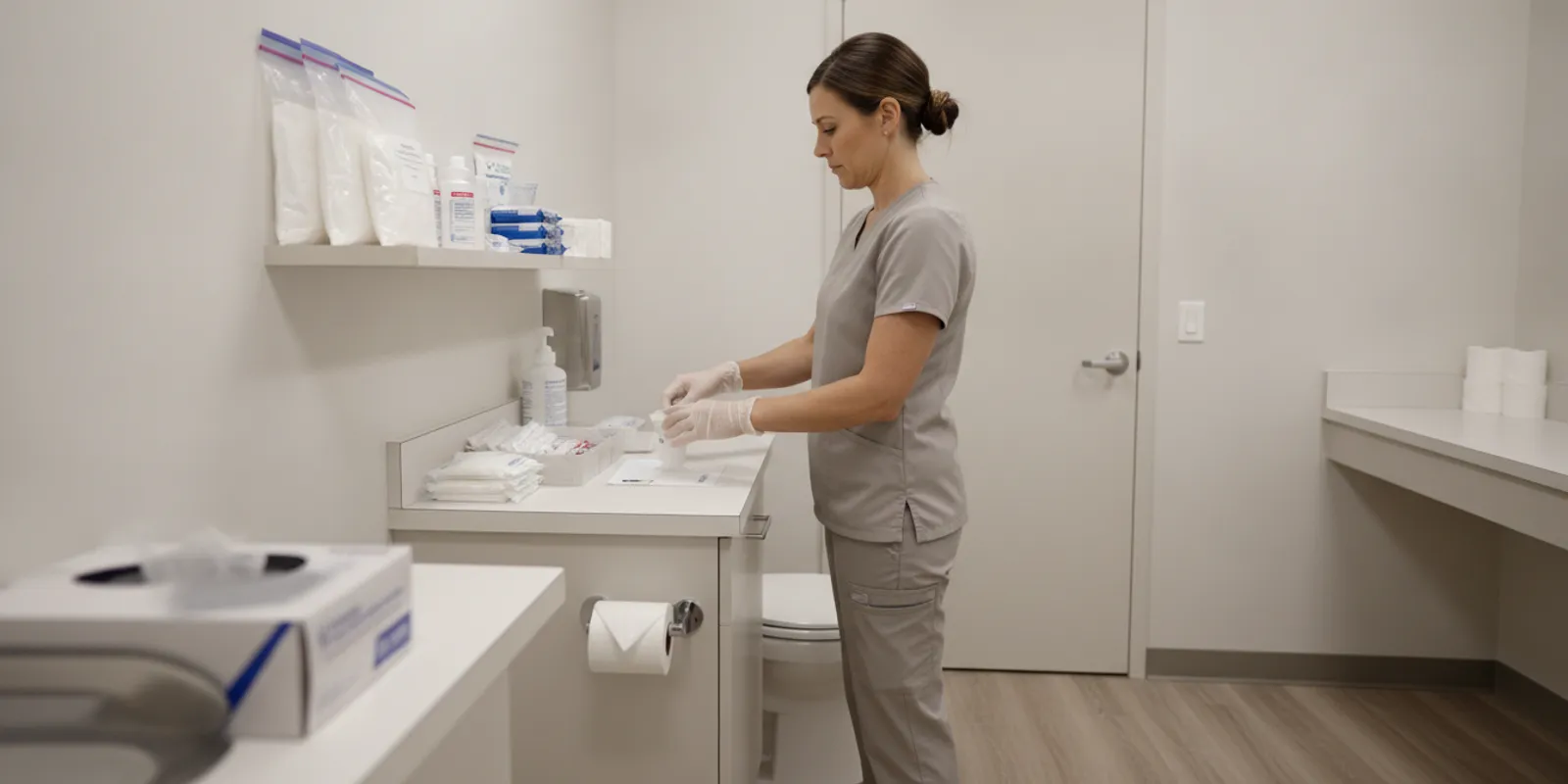
For employers coordinating hiring or workplace compliance, knowing how long do drug test results take helps set expectations and avoid preventable delays. The answer depends on the test type, the laboratory workflow, whether a result needs review or confirmation, and how quickly the donor completes the collection. Use the estimates below as planning ranges, not guarantees; the testing provider can give the best current estimate for a specific order.
Talk with a testing coordinator
How long do drug test results usually take?
For a routine urine test processed by a laboratory, a common planning estimate is one to three business days after the specimen reaches the lab. A rapid point-of-care screen may provide an initial result at the collection site, sometimes the same day. That quick screen is not necessarily the final answer: a result that is non-negative, invalid, or otherwise requires additional review can take longer.
For employer planning, allow additional time when a specimen needs confirmatory testing or review by a medical review officer (MRO). Those steps can add several business days, depending on the laboratory, communication with the donor, and workload. A test involving a weekend, holiday, missed appointment, or incomplete paperwork may extend the calendar time further. The clock may start at order placement, collection, laboratory receipt, or another milestone, so ask the provider what its estimate measures.
There is no single timeline that applies to every drug test. Testing method, panel, collection site, lab cutoff schedules, shipping, and result interpretation all matter. The estimate should be treated as a range rather than a promised delivery time. For service options and program coordination, see Patriot’s drug and alcohol testing services.
What does “result time” include?
People often use “results” to mean different things. An employer may be asking how long it takes to get a specimen collected, how long the lab needs to analyze it, when a reviewed result is reported, or when a candidate is ready to start work. These are separate stages. Clarifying which one matters will make scheduling more useful.
- Order and scheduling: The employer creates the order and tells the donor where and when to report. A delay in authorization, contact details, or appointment availability can occur before testing begins.
- Collection: The donor provides the specimen and the collector completes the required identification and documentation steps. A no-show, late arrival, or collection issue can require rescheduling or additional action.
- Transport and lab receipt: For a laboratory test, the specimen must reach the testing facility. Pickup schedules, distance, weekends, and holidays can affect this part of the process.
- Initial analysis: The laboratory performs the ordered screen. A routine result may move through the reporting process without additional testing, while a result requiring further work follows another path.
- Confirmation or review: Depending on the result and program, the lab may perform a confirmatory analysis and an MRO may review information before a final verified result is reported.
- Employer communication: The result is delivered through the program’s reporting channel. The designated employer representative then follows the employer’s policy and applicable rules.
For a hiring workflow, collection time is not the same as a final decision date. Set expectations around the full sequence, including when the candidate must report and who will follow up if a step is incomplete. A clear process can prevent a quick test from being mistaken for completed clearance.
How do testing methods affect the timeline?
The specimen type and collection setting shape how a test is performed and reported. Employers should compare methods based on their program requirements, the roles being tested, and operational needs—not just the fastest advertised result. A test’s detection window is also different from its processing time. The first describes how far back a substance may be detectable; the second describes how long it takes to produce and report a result.
| Testing approach | What to expect for timing | Planning point |
|---|---|---|
| Laboratory urine test | Often one to three business days for a routine report after lab receipt; additional review can take longer. | Include specimen transport and possible confirmation in the hiring schedule. |
| Rapid urine screen | An initial screen may be available at the collection location on the same day. | Ask whether a non-negative screen is sent for confirmation and when the final result is expected. |
| Oral fluid test | Timing depends on whether it is analyzed on site or sent to a laboratory. | Confirm the specific method and reporting estimate with the provider. |
| Hair test | Typically requires laboratory processing, so allow time for collection, transport, and analysis. | Do not assume a shorter or longer result time from the specimen type alone. |
| Alcohol test | Some testing can produce a prompt reading, while the method and circumstances determine the process. | Follow the applicable workplace or regulated program procedure. |
The table gives broad planning context, not a service-level promise. Each provider may use different labs, collection networks, and reporting arrangements. Confirm whether the estimate is measured in business days or calendar days, and whether it begins at collection or at laboratory receipt.
Initial screening and final interpretation are not always identical. The University of Michigan’s laboratory description notes that immunoassay positives should be treated as presumptive and that confirmation by an alternate method may be requested: Drug Screen by Immunoassay, Urine. This is why an early indication should not be communicated as a final verified result when additional steps remain.
Why can a drug test take longer than expected?
A longer wait does not automatically mean a problem. It may reflect an ordinary step in the process, or it may signal that the donor or employer needs to act. Identify the point of delay before changing a start date or repeating a test.
- Specimen transport: A collection taken late in the day, at a remote location, or before a non-business day may not reach the lab on the same schedule as a weekday collection.
- Confirmation: An initial screen that needs further laboratory analysis takes longer than a routine negative screen. Only the appropriate reporting channel can clarify the current status.
- MRO review: The MRO may need to contact the donor or review information before reporting a verified result. A missed call or delayed response can extend the process.
- Collection or paperwork issue: Incomplete information, a specimen problem, or a required follow-up collection may interrupt the normal workflow.
- Donor availability: A candidate who cannot attend promptly, misses an appointment, or does not respond to a request adds time before a complete result is possible.
- High-volume periods: Holidays, weather disruption, and laboratory or collection-site volume can affect turnaround. The actual impact varies.
- Reporting setup: An employer may have a result available but still need the designated contact to access, interpret, or route it through internal procedures.
A detection window should not be confused with any of these delays. The Indiana Department of Child Services’ detection-time chart cautions that estimates can vary with factors such as use pattern, dosage, and urine concentration: Drug Detection Times. That information concerns detectability, not how quickly a laboratory reports a particular employer test. For additional context about specimen testing and detection, see the review on objective testing using urine and other drug tests.
How should employers plan around the turnaround?
Build a buffer into the process instead of scheduling a required start date around the fastest possible result. The right buffer depends on the role, test type, provider estimate, and consequences of a delay. For a single candidate, that might mean ordering the test early enough to allow for an extra collection or review step. For a larger hiring class, it means tracking every order and following up before a delay affects staffing.
- Define the required milestone. Decide whether a person must complete collection, receive a final verified result, or meet another condition before starting. Do not leave the requirement implicit.
- Confirm the program and test. Match the order to the employer’s policy and applicable requirements. A DOT-regulated role, for example, should follow the employer’s DOT program rather than be treated as an ordinary non-DOT screen. Patriot’s DOT and non-DOT compliance information can help employers identify the relevant service area.
- Ask for an estimate tied to a start point. Find out whether the provider’s estimate begins at order, collection, or lab receipt, and whether it is expressed in business or calendar days.
- Prepare the donor. Provide clear instructions, the location or appointment details, identification requirements, and a contact for questions. Tell the donor to report promptly and to respond to provider or MRO communications.
- Track status, not assumptions. Record when the order is placed and collection is complete. If the expected window passes, ask the provider or designated program contact about the specific order through the approved channel.
- Keep a contingency plan. Consider a backup start date, alternate staffing, or a rescheduled appointment when operations cannot wait. Do not bypass a required result or policy to preserve a schedule.
Use a consistent workflow for each location and hiring manager. A short checklist can show who places the order, who reminds the candidate, who monitors status, and who may receive results. Employers managing regulated fleets can also review the FMCSA drug testing overview and the DOT drug testing guide to keep their process anchored to the program in use.
What should employers tell candidates and employees?
Communicate what the person needs to do and what the employer can—and cannot—promise about timing. Before the collection, explain the deadline, location, appointment process, and the contact for scheduling questions. Tell the person that laboratory processing or review may affect the final reporting time. Avoid saying that a result will be ready at a particular hour unless the provider has confirmed that estimate for the order.
Protect confidentiality by sharing status only with people who have a legitimate role in the process. Managers who need to plan coverage may need to know that clearance is pending, but they may not need sensitive result details. Follow your written policy and applicable law for notices, access, and decisions. Patriot’s workplace drug testing policy resource can support employers reviewing how procedures and communication fit together.
If the donor is asked to respond to a provider or MRO, give a prompt reminder through the proper channel without attempting to interpret laboratory information yourself. Do not treat silence or a pending status as a specific result. Keep records of dates and actions, and use the program contact to determine the next step.
What can employers do when a result is delayed?
Start by checking the order status with the provider or program administrator. Confirm the collection date, whether the specimen was received, and whether any action is outstanding. Ask whether the report is pending laboratory work, review, donor contact, or an administrative correction. Share only the information needed to locate the order, and use the authorized reporting system.
Then follow the employer’s established policy. If the person has not completed collection, provide a clear next appointment or instruction. If a report is awaiting review, wait for the appropriate final communication rather than drawing a conclusion from an informal update. If there is a collection issue or a required retest, ask the provider what the procedure calls for. Document the timeline and the guidance received.
Do not order a duplicate test simply because the original result has not arrived unless the provider or program rules indicate that this is appropriate. A repeat order can create confusion, added expense, or inconsistent records. Employers should also avoid penalizing a donor based on a delay outside their control without checking the applicable policy and requirements.
For companies coordinating multiple locations, centralized ordering and status tracking can help identify a recurring bottleneck. Compare appointment access, specimen pickup schedules, communication practices, and reporting handoffs across sites. A provider with local collection options and broad geographic coverage may help simplify a distributed program; ask how its network and reporting process fit your workforce.
Discuss a testing workflow for your workforce
Frequently asked questions
Can an employer get drug test results the same day?
Sometimes an on-site rapid screen can provide an initial result the same day. A laboratory test, or a screen that needs confirmation or review, may take longer. Ask whether the result is preliminary or final and what steps remain before relying on it.
Does a delayed result mean the test was positive?
No. A delay can occur for many reasons, including transport, paperwork, laboratory processing, or communication. The timeline alone does not establish a result. The employer should use the authorized reporting channel and wait for the proper report.
Are business days different from calendar days?
Yes. A three-business-day estimate excludes weekends and may also be affected by holidays, while calendar days include them. Ask the provider which convention it uses and when the turnaround period begins.
Does a longer detection window make results take longer?
Not necessarily. Detection window describes how long a substance may be detectable under particular circumstances; turnaround describes the collection, analysis, review, and reporting process. They are related to different questions, and one does not set the other’s timeline.
When should an employer follow up?
Follow up when the provider’s stated reporting window has passed or when a staffing decision depends on the order’s status. Ask the provider or program contact to identify the next step. If there is a safety-sensitive or regulated role, continue to follow the applicable policy and rules while the result is pending.
Build a realistic testing timeline
Drug test results may arrive quickly, but employers should plan for the complete process rather than assume every order follows the shortest route. Confirm the testing method, turnaround starting point, and escalation contact before launch; then communicate clearly and track each step. A consistent workflow helps protect compliance and keeps hiring or workforce decisions grounded in a final, properly reported result.