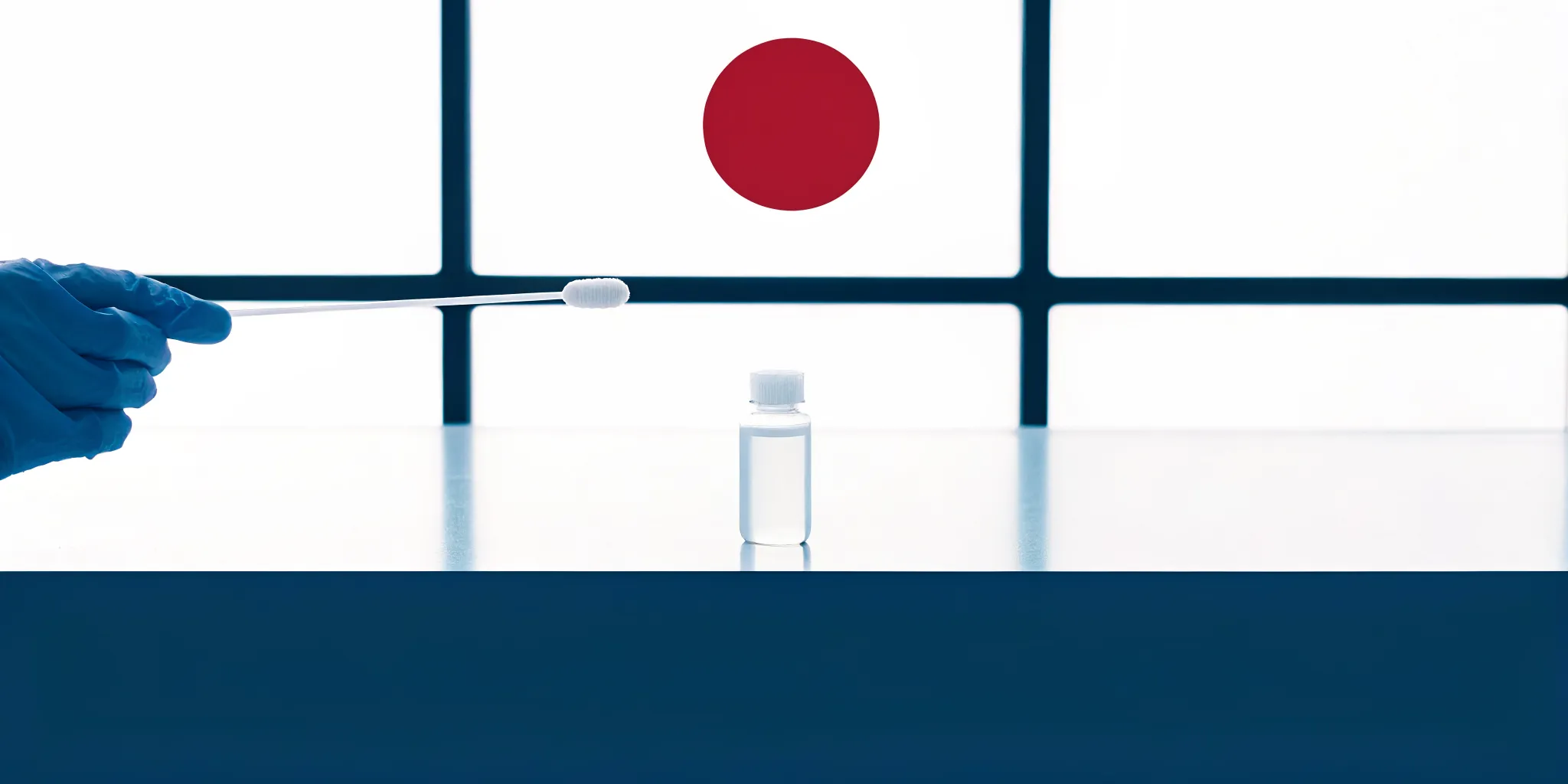
Let's get straight to the point: how accurate are oral fluid drug tests for employment? It’s the first question every safety manager and HR professional asks, and for good reason. The integrity of your entire drug-free workplace program rests on having results you can trust. The answer is that lab-based oral fluid tests are highly accurate, but accuracy isn't just a single number. It depends on the substance being tested, the timing of the collection, and the quality of the process. This guide provides a complete breakdown of what makes these tests so reliable and what you need to do to ensure you get clear, defensible results every single time.
Key Takeaways
- Pinpoint recent use: An oral fluid test answers the question of when someone used a substance, not just if. Its short detection window of 12 to 48 hours makes it the go-to method for post-accident and reasonable suspicion testing, where you need to assess potential on-the-job impairment.
- Ensure test integrity: Oral fluid collection is directly observed, which nearly eliminates the risk of cheating or sample tampering. For a fully defensible program, always pair an initial screen with confirmation testing at a certified lab to guarantee accuracy and protect your company.
- Use a strategic, hybrid approach: A robust drug testing program uses the right tool for the right situation. Use DOT-approved oral fluid testing for its strengths in post-accident and random testing, and combine it with other methods like urine tests for pre-employment screening to cover all your bases.
What Is an Oral Fluid Drug Test?
An oral fluid drug test, often called a mouth swab test, is a straightforward method for finding out if someone has recently used drugs or alcohol. Instead of a urine or hair sample, these oral drug tests use a small amount of saliva to detect the presence of specific substances. Because they are easy to administer and hard to cheat, they have become a reliable tool for employers, especially in situations that require quick and accurate results, like after a workplace accident or when reasonable suspicion arises.
The key advantage of an oral fluid test is its ability to detect very recent use. While other tests might show drug use from days or weeks ago, a saliva test identifies substances consumed within the last few hours to two days. This makes it an excellent indicator of potential impairment on the job, rather than just off-duty use. For businesses in high-risk industries like transportation or construction, this focus on recent use is critical for maintaining a safe work environment and building a defensible testing program. The process is non-invasive, can be performed almost anywhere, and provides a clear picture of an employee’s status right when you need it most.
How Does the Collection Process Work?
The collection process for an oral fluid test is simple, fast, and non-invasive. A trained collector uses a collection device with a sterile cotton swab on the end to gently rub the inside of the employee’s cheek or under their tongue. The swab absorbs saliva for a minute or two until the indicator shows that enough sample has been collected. The entire process is completed in just a few minutes.
One of the biggest benefits for employers is that the collection is directly observed from start to finish. This makes it significantly harder for someone to cheat or tamper with the sample, which can be a concern with unobserved urine collections. This direct observation ensures the integrity of the specimen and gives you confidence that the results are accurate and legally defensible.
What Drugs Can an Oral Fluid Test Detect?
Oral fluid tests are quite versatile and can screen for a wide range of common substances. While the exact panel can be customized to fit your company’s policy and industry requirements, a standard test typically looks for the most frequently abused drugs. This allows you to create a testing program that aligns with your specific safety and compliance needs.
Commonly detected substances include:
- Alcohol
- Amphetamines (including methamphetamine)
- Barbiturates
- Benzodiazepines
- Cocaine
- Fentanyl
- Marijuana (THC)
- Opioids (including heroin, codeine, and morphine)
- Oxycodone
- PCP
Understanding Detection Windows
The detection window is the period during which a drug can be identified in a person’s system after they’ve used it. For oral fluid tests, this window is relatively short and specific. Most drugs can be found in saliva almost immediately after use and typically remain detectable for about 5 to 48 hours. This short timeframe is what makes oral fluid testing so effective for determining recent use.
Unlike a urine test that might detect marijuana for weeks, an oral fluid test shows if someone has used it in the last day or two. This helps you focus on potential on-the-job impairment, not past behavior. Because oral fluid tests usually only detect drugs for 12 to 48 hours, they are an ideal choice for post-accident and reasonable suspicion testing, where knowing what’s in an employee’s system right now is what matters most.
How Accurate Are Oral Fluid Drug Tests?
When you need a clear, recent picture of drug use, an oral fluid test is one of the most reliable tools available. So, how accurate is it? The short answer is: very accurate, especially when you work with a professional testing partner. While no drug test is 100% perfect, lab-based oral fluid tests can be about 97% accurate.
However, accuracy isn't just a single number. It depends on several factors, including the specific drug being tested, when the sample is collected, and the quality of the testing process itself. Understanding these details helps you see why this method is a trusted choice for post-accident and reasonable suspicion testing, where detecting recent use is critical. Let's break down what you need to know.
Breaking Down Accuracy by Substance
The accuracy of an oral fluid test can change depending on the drug in question. These tests are excellent at detecting substances shortly after use, which is exactly what you need to determine potential impairment on the job. Drugs like cocaine, opioids, and methamphetamines are readily found in oral fluid, making them easy to identify with high precision.
The story is a bit different for marijuana (THC). While oral fluid tests absolutely detect THC, the detection window is typically shorter and can be more variable than for other substances. This is because of how the body metabolizes THC. Still, for identifying very recent use, an oral fluid test is a strong and scientifically validated option that provides a clear snapshot of what’s in an employee’s system at that moment.
False Positives vs. False Negatives: What to Know
When discussing test accuracy, you’ll often hear the terms "false positive" and "false negative." A false positive means the test detects a drug when the person hasn't actually used it. A false negative means the test fails to detect a drug that is present. While both are rare with high-quality tests, false positives are a significant concern for employers. Certain foods, like poppy seeds, or some over-the-counter medications can occasionally trigger an initial positive result.
This is why a two-step process is essential for a defensible program. If an initial screening test comes back positive, the sample should always be sent to a SAMHSA-certified laboratory. The lab performs a second, more sensitive confirmation test that can distinguish between illicit substances and other compounds, effectively eliminating the risk of a true false positive.
Debunking Myths About Oral Fluid Test Accuracy
You may have heard some common myths about oral fluid testing, so let's set the record straight. One myth is that saliva tests are less reliable than urine tests. The truth is that each method has its own strengths and weaknesses. A urine test reveals drug use over the past few days or weeks, while an oral fluid test pinpoints very recent use, often within hours. Neither is "better" overall; they simply answer different questions.
Another misconception is that oral fluid testing is a new, unproven technology. In reality, it’s a well-established method that has been used for years and is considered just as effective as other testing types when performed correctly. When you follow proper collection protocols and use a certified lab for confirmation, you can be confident that you are getting dependable and legally defensible results.
What Affects the Accuracy of an Oral Fluid Test?
While oral fluid testing is a reliable and accurate method, several factors can influence the outcome of a test. Understanding these variables is key to building a strong, defensible drug testing program. From the timing of the collection to the quality of the test kit itself, each element plays a role in ensuring the integrity of the results. For employers, especially in high-risk industries, knowing these details helps you implement fair and effective safety protocols.
Timing of Collection
One of the most significant factors affecting an oral fluid test is the timing of the collection. These tests are designed to detect very recent substance use, typically within the last 24 to 48 hours. This makes them an excellent tool for post-accident and reasonable suspicion testing, as they provide a clear snapshot of whether a substance was present near the time of an incident. Unlike a urine test, which can detect metabolites from days or weeks prior, an oral fluid test focuses on the parent drug, indicating more immediate use. This distinction is critical for determining potential impairment versus simply past use.
Metabolism and Use Frequency
Every individual is different, and so is the way their body processes substances. A person’s metabolic rate, or how quickly their body breaks down the substance, can affect how long a drug remains detectable in their saliva. Factors like age, genetics, and overall health can all play a part. Additionally, how often someone uses a substance matters. A chronic user may retain detectable levels of a drug for a longer period than an occasional user. It's also worth noting that some drugs, like cocaine and opioids, are more readily detected in oral fluid than others, such as THC.
Potential Oral Contaminants
What’s in an employee’s mouth just before a test can also impact the results. Food, beverages, chewing gum, and tobacco products can potentially dilute or contaminate a saliva sample, leading to an inconclusive or inaccurate reading. To prevent this, proper collection protocol is essential. This typically involves a waiting period of at least 10 minutes where the individual is not allowed to eat, drink, or smoke. A professional collector will also ensure the person’s mouth is clear of any foreign substances before administering the swab, guaranteeing a clean and viable sample for testing.
Quality of the Test Kit and Collection
Not all testing products are created equal. The accuracy of an oral fluid test depends heavily on the quality of the collection device and the skill of the person administering it. A high-quality kit is designed to collect a sufficient volume of saliva and preserve the sample for transport to the lab. Just as important is the collector’s training. A professional ensures the swab is correctly saturated and handled according to strict chain-of-custody procedures. Using lab-based testing that follows federal standards for workplace drug testing ensures your program is built on reliable methods and defensible results.
Oral Fluid vs. Other Drug Tests
Choosing the right drug test isn't just about accuracy; it's about matching the test to the situation. Oral fluid testing is an excellent tool, but understanding how it stacks up against other common methods like urine, hair, and blood tests will help you build a more effective and defensible screening program. Each method has a different purpose, detection window, and collection process. Knowing the differences helps you decide which test to use for pre-employment, random, post-accident, or reasonable suspicion scenarios. Let's compare them side-by-side so you can see where oral fluid testing shines and when another method might be a better fit for your company’s needs.
Oral Fluid vs. Urine Tests
The primary difference between oral fluid and urine testing comes down to the detection window. Urine tests can identify drug use for a longer period, sometimes up to several days or even weeks for chronic users. This makes them effective for detecting a pattern of use. In contrast, oral fluid tests have a much shorter detection window, typically identifying substances used within the last 12 to 48 hours.
This makes oral fluid testing an excellent choice for determining recent use, which is critical for post-accident and reasonable suspicion testing. While a comparison of urine and oral fluid shows urine tests may catch more drug users overall due to the longer look-back period, oral fluid provides a clearer picture of an employee's status closer to the time of collection.
Oral Fluid vs. Hair Tests
If oral fluid tests have the shortest detection window, hair follicle tests have the longest. A hair test can detect a pattern of drug use for up to 90 days, making it a powerful tool for pre-employment screening. It gives you a broad overview of a candidate’s lifestyle and history with substance use. However, it can’t tell you anything about recent use or potential impairment on a specific day.
This is where oral fluid testing is the clear winner. Because it detects substances used in the last day or two, it’s far more relevant for situations where you need to know if an employee was using drugs recently, such as after a workplace incident. Think of it this way: hair testing looks at history, while oral fluid testing looks at the here and now.
Oral Fluid vs. Blood Tests
Blood testing is often considered the gold standard for detecting the exact amount of a drug in a person's system at a specific moment. However, it’s also the most invasive, expensive, and logistically challenging method. Blood draws must be performed by a trained phlebotomist in a clinical setting, which isn't practical for most workplace screening, especially on-site or post-accident situations.
Oral fluid testing offers a much more convenient and less invasive alternative. The collection process is simple, quick, and can be observed easily to prevent tampering, all without needles or private facilities. While a drug test in oral fluid may not be as precise as a blood test for quantifying drug levels, it is highly effective for detecting the presence of drugs and is a far more practical solution for routine employment screening.
Comparing Positivity Rates
When you compare positivity rates, context is everything. Studies show that urine tests often yield higher overall positivity rates because their long detection window catches both recent and past drug use. You’re simply casting a wider net.
However, oral fluid tests can be more effective at identifying very recent use, especially for substances like cannabis, which may appear in saliva almost immediately after use but take longer to show up in urine. This means an oral fluid test might be more likely to correlate with impairment at the time of the test. For employers in safety-sensitive roles, this focus on recent use is often more valuable than knowing if an employee used a substance weeks ago.
Pros and Cons of Oral Fluid Testing
When you're building a drug testing program, every method has its place, and oral fluid testing is no different. It offers some clear advantages, especially for certain situations, but it also comes with limitations you need to understand before making it your go-to choice. Think of it as another specialized tool in your compliance toolkit. For some jobs, you need a hammer; for others, a wrench. The key is knowing when to use which one.
Oral fluid testing shines when you need to know about recent drug use. Because it's collected under direct observation, it’s also one of the most tamper-resistant methods available. This makes it a strong candidate for post-accident or reasonable suspicion scenarios where you need a clear picture of an employee’s status in the immediate past. However, its shorter detection window means it’s not the best fit if your goal is to identify a longer history of drug use. Understanding these trade-offs is the first step to building a testing program that is both fair and effective. Let's look at the specific upsides and downsides you should weigh.
The Upsides for Employers
The biggest advantage of oral fluid testing is its ability to detect very recent drug use, sometimes within minutes of consumption. This makes it an invaluable tool for post-accident and reasonable suspicion testing, where the question isn't just if an employee used a substance, but when. The collection process itself is another major plus. It’s non-invasive and can be performed on-site under direct observation, which practically eliminates the potential for sample tampering or substitution. High-quality oral drug tests are also highly accurate, giving you reliable results you can act on with confidence.
The Downsides to Consider
The primary drawback of oral fluid testing is its short detection window. While excellent for identifying recent use, it typically only detects substances for 12 to 48 hours. This means it’s less effective for pre-employment screening or other situations where you want to understand a candidate's longer-term history of drug use. Because of this narrow window, some studies show that oral fluid tests may yield lower overall positivity rates compared to urine tests, which can detect metabolites for several days or even weeks. It’s not that the test is less effective, but rather that it’s designed for a different purpose: identifying current or very recent use, not past behavior.
Are Oral Fluid Tests DOT-Approved?
Yes, they are. This is a significant and welcome change for employers operating under Department of Transportation (DOT) regulations. For years, urine testing was the only approved method for federally mandated drug screens. Now, the DOT has officially authorized oral fluid testing as an alternative, giving you more flexibility and control over your drug and alcohol program. This isn't about replacing urine testing entirely, but about adding another reliable tool to your compliance toolkit.
This update allows you to choose the testing method that best fits a specific situation. For example, oral fluid testing’s directly observed collection process makes it an excellent choice for post-accident and reasonable suspicion scenarios, where minimizing the risk of tampering is critical. By understanding the new rule, the standards behind it, and how results are handled, you can confidently integrate oral fluid testing into your program while maintaining full DOT compliance. It’s a practical solution that supports the safety and integrity of your workforce.
Understanding the DOT Final Rule
The DOT’s final rule, which went into effect in June 2023, officially permits oral fluid testing for regulated drug testing programs. This means you can now use oral fluid specimens for a variety of testing reasons, including pre-employment, random, reasonable suspicion, post-accident, and return-to-duty testing. The DOT’s updated regulations provide employers with a valid alternative to urine testing, which can be particularly helpful in remote locations or time-sensitive situations. The key takeaway is that you now have a choice. This allows you to create a more resilient and responsive testing program tailored to your operational needs while staying fully compliant.
Meeting SAMHSA and Federal Standards
The DOT’s approval of oral fluid testing wasn’t a sudden decision. It was made possible because the Department of Health and Human Services (HHS) established rigorous scientific guidelines for this method. These guidelines, managed by the Substance Abuse and Mental Health Services Administration (SAMHSA), ensure that oral fluid testing meets the same high standards for accuracy and reliability as urine testing. By following the Mandatory Guidelines for Federal Workplace Drug Testing Programs, labs and collection sites ensure that the entire process is scientifically sound and legally defensible. This federal backing gives you the confidence that you’re using a proven, credible method to maintain a safe and compliant workplace.
How Prescriptions Impact Results
The process for handling prescriptions with oral fluid testing is the same trusted method used for urine tests. A positive lab result is always reviewed by a certified Medical Review Officer (MRO) before it’s reported to you. The MRO’s job is to contact the employee and determine if there is a legitimate medical reason for the positive result, such as a valid prescription for a medication. If the employee provides proof of a valid prescription, the MRO reports the result to you as negative. This crucial step protects employee privacy and ensures you only act on verified, non-compliant results, making your program both fair and defensible.
Is Oral Fluid Testing Right for Your Business?
Deciding on the right drug testing method comes down to your company’s specific needs, industry regulations, and safety goals. Oral fluid testing offers some distinct advantages, but it’s not a one-size-fits-all solution. Understanding where it shines can help you determine if it’s a good fit for your workforce safety program. By looking at the most common testing scenarios and how different methods can work together, you can build a more effective and defensible strategy.
Best Uses: Post-Accident, Random, and Reasonable Suspicion
Oral fluid testing is particularly effective for situations that require immediate, on-the-spot screening. Because the collection process is non-invasive and can be directly observed without privacy concerns, it’s ideal for time-sensitive events. Its shorter detection window is actually an advantage here, as it focuses on recent use and potential impairment at the time of the test. This makes it a strong choice for post-accident investigations where you need to quickly determine if drug use was a contributing factor. It’s also well-suited for random testing programs and reasonable suspicion cases, as you can collect a sample anywhere, minimizing operational delays and preventing an employee from attempting to tamper with the specimen.
Ideal for High-Risk Industries
For industries like oil & gas, transportation, and construction, safety is non-negotiable. Oral fluid testing is a valuable tool for maintaining a safe work environment. The federal government has recognized its reliability, and the Department of Transportation (DOT) now permits oral fluid testing for all regulated tests, including pre-employment, random, and post-accident screenings. This DOT approval gives employers in regulated sectors a flexible, efficient, and compliant alternative to traditional methods. The ability to conduct tests directly on a job site or roadside helps keep projects on schedule and ensures that safety protocols are upheld without significant disruption to your operations.
Pairing Oral Fluid with Other Test Types
You don’t have to exclusively choose one testing method. In fact, a stronger and more comprehensive drug testing program often involves using different tests for different purposes. For example, you might use a urine test for pre-employment screening to get a broader history of drug use, thanks to its longer detection window. Then, you could use oral fluid testing for all post-accident and reasonable suspicion events to identify recent use. This hybrid approach allows you to leverage the strengths of each method. Combining oral fluid and urine testing gives you a more complete picture, helping you catch both recent impairment and longer-term patterns of use, which ultimately creates a more robust and defensible compliance program.
How to Ensure Accurate Oral Fluid Test Results
An oral fluid test is only as reliable as the process behind it. To get accurate, defensible results you can count on, you need to control for variables before, during, and after the collection. Fortunately, putting a solid process in place is straightforward. By focusing on a few key areas, you can ensure your testing program is both effective and fair, building confidence across your entire team. Here’s how to get it right every time.
Follow Proper Pre-Collection Protocols
To get a clean sample, the most important step is also the simplest: the donor needs to have a clean mouth. This means they shouldn't eat, drink, or use any oral hygiene products for a short period before the test. According to experts at Labcorp, individuals should avoid food, drinks, and even mouthwash for at least 10 minutes prior to collection. This brief waiting period is critical because it prevents potential contaminants from interfering with the test and causing an inaccurate reading. Clearly communicating this simple instruction to your employees is the first step in protecting the integrity of your drug screening program and ensuring the results are valid.
Lab-Based vs. Rapid Testing: Which Is Better?
When you need results, you have two main options: rapid tests that provide instant screening or lab-based tests that offer detailed analysis. While rapid tests are useful for immediate, on-the-spot decisions, it’s important to understand their limitations. For the highest level of accuracy, lab-based testing is the clear winner. As the Cleveland Clinic notes, lab tests are generally more accurate, with the best oral fluid tests reaching about 97% accuracy. For employers in regulated industries, sending samples to a certified laboratory for confirmation isn't just a best practice; it's essential for creating a legally defensible record. This two-step process, using a rapid screen followed by lab confirmation, gives you both speed and certainty.
Maintain Privacy, Compliance, and Trust
The way a drug test is administered says a lot about your company’s culture. Oral fluid testing makes it easy to create a process that is respectful, transparent, and secure. Unlike urine testing, the collection is simple and can be observed without invading an employee’s privacy. This direct observation is a key advantage. As Quest Diagnostics explains, it makes it much harder for an individual to cheat the test. When employees see that the process is straightforward and applied consistently, it builds trust in the program. This transparency helps reinforce that your goal isn't to catch people, but to ensure a safe and compliant workplace for everyone involved. It’s a simple way to protect both your people and your business.
Build a Defensible Drug Testing Program
A drug testing program is only as strong as its weakest link. To make yours truly defensible, you need more than just accurate tests; you need a clear, consistent, and compliant process from start to finish. This means having a written policy that you apply uniformly to every employee, every single time. A defensible program protects your business from liability, keeps your records audit-ready, and shows your commitment to maintaining a safe workplace for everyone. It’s about creating a system that is fair, transparent, and built to withstand scrutiny.
Integrating oral fluid testing can be a smart move for strengthening your program, especially for situations like post-accident or reasonable suspicion testing where immediate collection is critical. With the Department of Transportation (DOT) now permitting this method, there are clear federal guidelines for its use. Staying current with these revised procedures for collection and witnessing is essential for compliance. Partnering with a third-party administrator (TPA) can help you manage these details, ensuring every test is performed correctly and according to the latest standards.
Ultimately, the most robust programs often use a mix of testing methods tailored to different needs. While oral fluid testing is an effective and reliable option, no single test is a silver bullet. You might use urine testing for pre-employment screening and oral fluid for random or post-incident testing. The key is to document your strategy in your company policy and work with a provider who understands the nuances of each method. This strategic approach ensures you have a comprehensive drug-free workplace program that is both effective and defensible.
Related Articles
- What Is a DOT Drug Test? – Simple Compliance Guide
- Pre-Employment Drug Testing – Hire Safely, Hire Confidently
- Reliable drug testing: Methods, Accuracy & What to Expect
- How DOT Drug Tests Work | Step-by-Step CDL Testing Guide
- Long-Term Value of DOT Drug Testing in Workplace Safety
Frequently Asked Questions
When should I choose an oral fluid test over a urine test? Think of it in terms of what question you need to answer. If you need to know if an employee may be impaired right now or used a substance very recently, an oral fluid test is your best tool. Its short detection window (usually 12 to 48 hours) is perfect for post-accident and reasonable suspicion testing. A urine test, with its longer detection window, is better for pre-employment screening when you want to identify a broader pattern of past drug use.
Is it possible for an employee to cheat on an oral fluid test? It is significantly harder to cheat on an oral fluid test compared to a urine test. The collection process is performed by a trained professional who directly observes the employee from start to finish. This direct observation makes it nearly impossible for someone to substitute or tamper with the sample, which gives you much greater confidence in the integrity of the result.
The detection window for oral fluid is short. Does that make it less effective? Not at all, it just makes it effective for a different purpose. That short detection window is actually the test's greatest strength. It helps you focus on very recent use, which is a better indicator of potential on-the-job impairment. While a urine test might show that an employee used a substance last week, an oral fluid test tells you what was in their system in the last day or two, which is far more relevant after a workplace incident.
What happens if an employee gets a positive result but has a prescription? This is where the Medical Review Officer (MRO) plays a crucial role. If an initial test is positive, the sample is sent to a lab for confirmation. If that test is also positive, a certified MRO will contact the employee directly and privately. The employee then has an opportunity to provide a valid prescription for the substance. If they do, the MRO will report the result to you as negative, protecting both the employee’s privacy and your company from taking action on a legitimate prescription.
Since oral fluid testing is now DOT-approved, should I switch all my testing to this method? While you certainly can use oral fluid testing for all DOT-regulated tests, you don't have to abandon other methods entirely. The most robust and defensible programs often use a hybrid approach. For example, you might continue using urine tests for pre-employment screening to get a longer look-back period and use oral fluid tests for all your random, post-accident, and reasonable suspicion events. This strategy allows you to use the strengths of each test for the right situation.